

 English
 русский
 Français
 Español
 عربى
عربى
Équipement d'incinération à haute température LQ-RTO à haute température
Équipement
Aperçu du RTO de type tour L'oxydant thermique régénératif (RTO) est un équipement de traitement des gaz à déchets organiques qui comb...
Voir les détails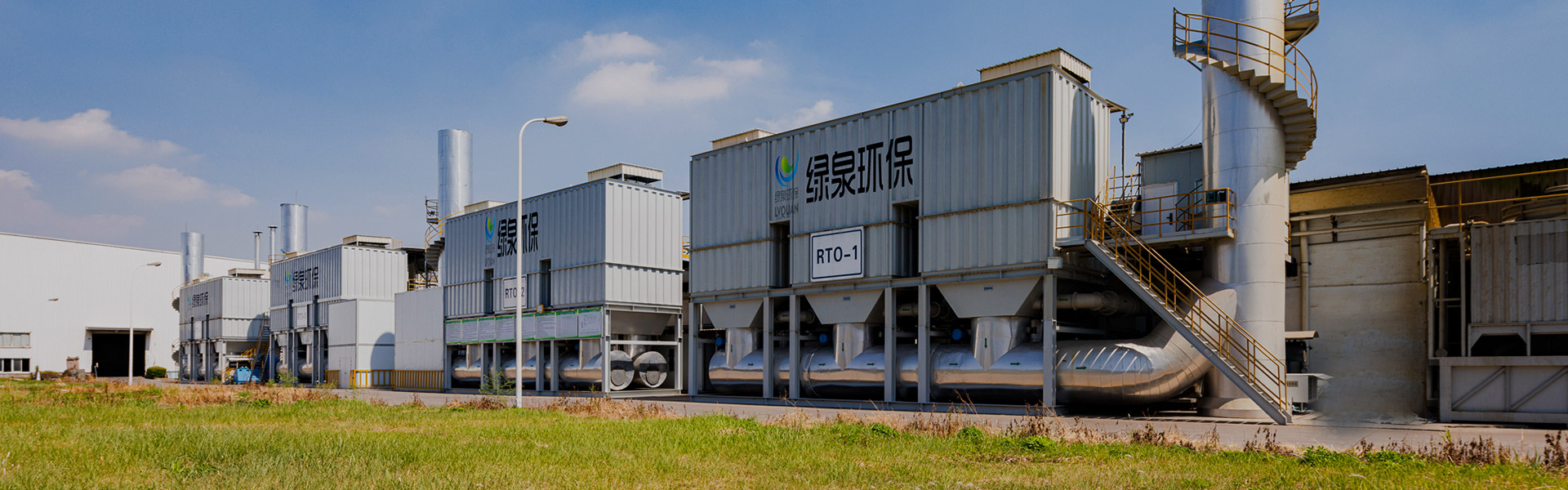
Content
Oui, moderne équipement de traitement des gaz résiduaires organiques peut constamment atteindre efficacités d'élimination supérieures à 95 % pour les composés organiques volatils (COV). Pour les systèmes bien conçus tels que les oxydants thermiques régénératifs (RTO) ou les unités d'incinération combinées par adsorption-concentration, les efficacités de 98-99% sont courants dans des conditions de fonctionnement appropriées. La clé réside dans la sélection de la bonne technologie, le maintien de paramètres optimaux et l’intégration des étapes de prétraitement.
Par exemple, chez Lv Quan Environmental Protection Engineering Technologie Co., Ltd., nos systèmes RTO et nos unités de combustion catalytique par adsorption-désorption démontrent régulièrement taux d'élimination de 96 à 99 % dans des applications réelles dans les secteurs de l'automobile, de la pétrochimie et de l'imprimerie. Des rendements inférieurs (inférieurs à 80 %) indiquent généralement une technologie inadaptée, un entretien inapproprié ou des charges d'entrée variables.
Atteindre et maintenir >95 % d'efficacité d'élimination nécessite une approche systématique. Basés sur nos 30 années de conception et de fabrication d’équipements COV, les cinq piliers suivants sont essentiels :
Chez Lv Quan, nos systèmes intégrés (par exemple, combustion catalytique par adsorption) ont démontré efficacité stable de 97 % fonctionnement continu de plus de 3 ans dans un projet de récupération de solvants pharmaceutiques, avec un écart de performance mensuel inférieur à ± 1,5 %.
Différentes technologies permettent d'obtenir des efficacités d'élimination variables. Le tableau ci-dessous résume les plages de performances typiques basées sur les données de terrain de plus de 200 systèmes installés par Lv Quan Environmental Protection Engineering Technology Co., Ltd.
| Technology | Efficacité de suppression typique | Meilleure plage de concentrations applicable | Consommation d'énergie (relative) |
|---|---|---|---|
| Oxydant thermique régénératif (RTO) | 95-99% | 500 - 5000mg/m³ | Modéré-Élevé |
| Oxydant catalytique (CO) | 90-98% | 300 - 3000mg/m³ | Modéré |
| Adsorption sur charbon actif (non régénératif) | 85-92% (initial), décroît à <70 % | < 1000mg/m³ | Faible |
| Rotor de zéolite RTO/CO | 93-97% (dans l'ensemble) | 100 - 1500 mg/m³ (grand volume) | Faible-Moderate |
| Filtration biologique | 60-85% | < 300 mg/m³, COV solubles dans l'eau | Très faible |
Comme illustré, les systèmes RTO et RTO combinés offrent les taux d'élimination les plus élevés et les plus stables, ce qui en fait le choix privilégié pour les réglementations strictes en matière d'émissions (par exemple, Efficacité ≥95 % requise par de nombreux permis locaux ).
Oui. Par exemple, les systèmes RTO de Lv Quan traitant les gaz d'échappement des presses à imprimer (éthanol, acétate d'éthyle, ~1 800 mg/m³) ont atteint Efficacité d'élimination de 99,2 % lors d’un test de conformité continu de 72 heures. La clé est de maintenir la température de combustion à 820°C avec une efficacité de récupération de chaleur sur support céramique >95%.
Les causes courantes comprennent : (a) un prétraitement inadéquat conduisant à un empoisonnement du catalyseur ou de l'adsorbant ; (b) Température de combustion inférieure à 700 °C pour les unités thermiques ; (c) Canalisation dans les lits d'adsorption en raison d'un flux d'air inégal ; (d) Concentration d'entrée surchargée au-delà de la capacité nominale. Un audit du site par un fournisseur expérimenté (comme Lv Quan, avec 30 ans d'expérience dans la conception de COV) identifie généralement le goulot d'étranglement.
Pour une surveillance continue, installez un CEMS avec rapport de moyenne horaire . Pour une vérification périodique, effectuez un échantillonnage des cheminées mensuellement ou trimestriellement. Notre expérience montre que les systèmes avec des contrôles ponctuels PID hebdomadaires maintiennent leur efficacité 3 à 5 % plus élevé que ceux vérifiés seulement trimestriellement.
De manière significative. Pour les systèmes à charbon actif, humidité relative supérieure à 60% réduit la capacité d'adsorption jusqu'à 40 %. Pour les rotors en zéolite, l'effet est moindre mais néanmoins notable : une humidité relative supérieure à 75 % peut réduire l'efficacité de 15 à 20 %. Incluez toujours une étape de déshumidification ou de pré-refroidissement lors du traitement des gaz d’échappement humides.
Nous garantissons contractuellement Efficacité d'élimination ≥95 % pour les systèmes RTO et adsorption-concentration dans les conditions de conception, avec un test de performance dans les 30 jours suivant la mise en service. Pour les projets nécessitant des émissions ultra faibles, nous proposons Garantie 98% avec une garantie de 3 ans sur les composants principaux (médias céramiques, échangeurs de chaleur, vannes de régulation).
Un client pharmaceutique de la province du Jiangsu (Chine) a été confronté à des émissions de COV de 1 200 mg/m³ (principalement éthanol, isopropanol et dichlorométhane) provenant d'une ligne d'enrobage de comprimés. Leur adsorbeur de carbone existant livré uniquement 68 % d'efficacité , en violation des normes locales. Lv Quan Environmental Protection Engineering Technology Co., Ltd. a conçu et installé un concentrateur à rotor de zéolite à deux étages avec pré-filtre RTO système.
Résultats après 6 mois d'opération :
Ce cas démontre qu'avec une ingénierie appropriée, même les flux pharmaceutiques les plus exigeants peuvent atteindre une efficacité supérieure à 95 % de manière fiable.
Résumer les étapes pratiques pour atteindre et maintenir des performances élevées dans les équipements de traitement des gaz résiduaires organiques :
En adhérant à ces directives, les installations industrielles peuvent répondre en toute confiance aux normes d'émission les plus strictes tout en optimisant les coûts d'exploitation. En tant qu'usine spécialisée d'équipements de traitement des gaz résiduaires organiques avec les certifications ISO9001, ISO14001 et plus de 30 ans d'expertise en matière de COV, Lv Quan Environmental Protection Engineering Technology Co., Ltd. reste engagée à fournir des solutions fiables et à haute efficacité adaptées au profil d'échappement unique de chaque client.
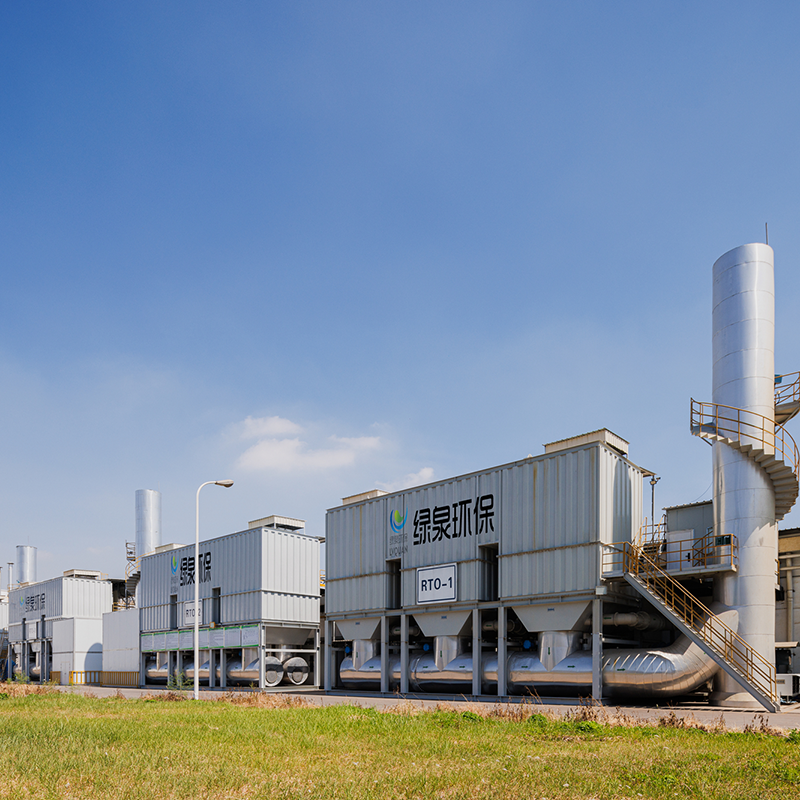
Aperçu du RTO de type tour L'oxydant thermique régénératif (RTO) est un équipement de traitement des gaz à déchets organiques qui comb...
Voir les détails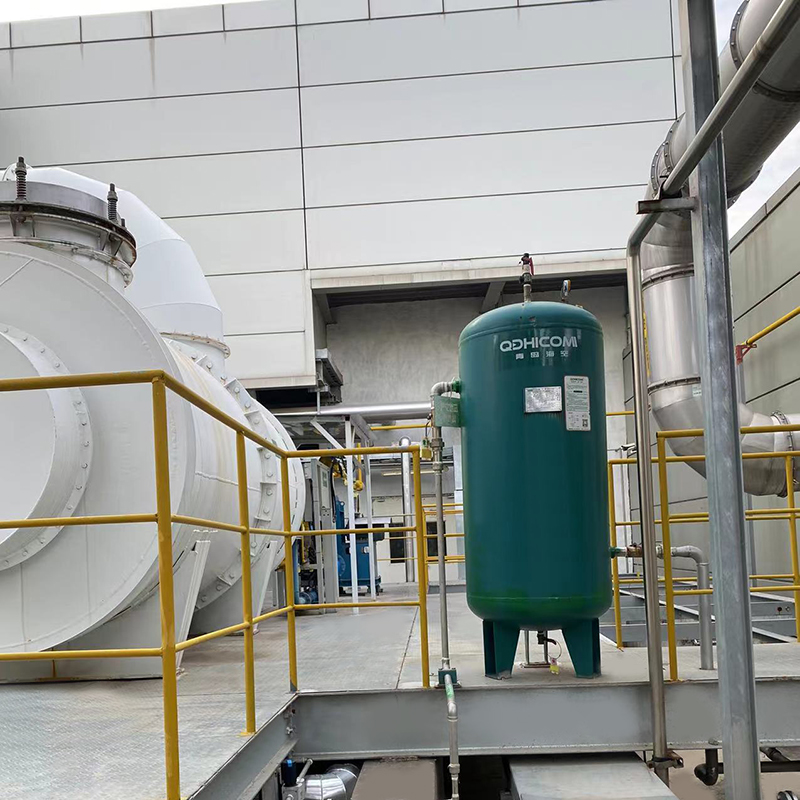
Aperçu L'équipement d'incinération à haute température à combustion directe, abrégée comme à, utilise la chaleur générée par la c...
Voir les détails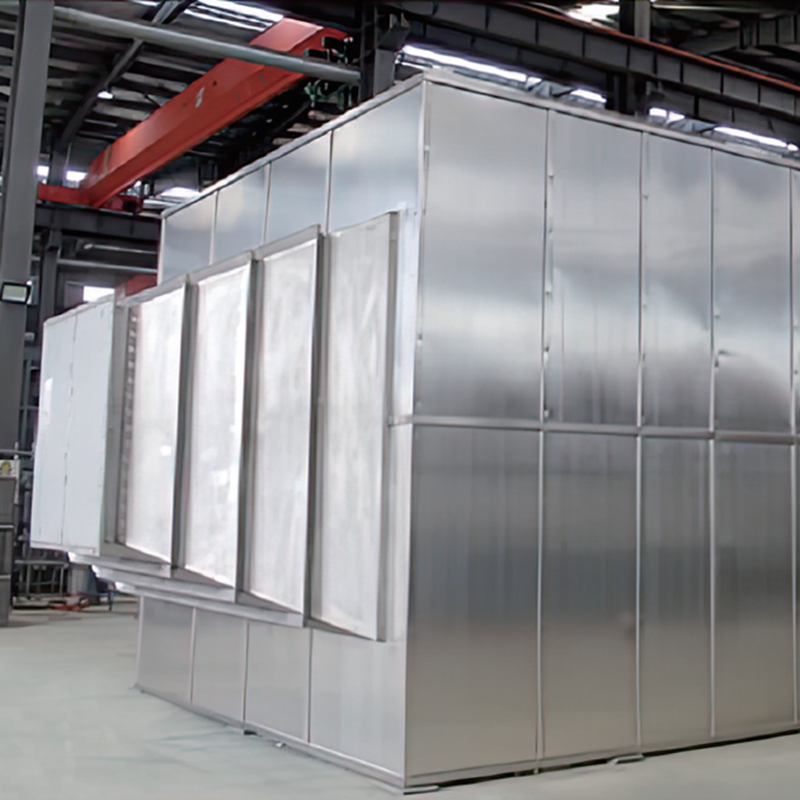
Introduction du produit L'échangeur de chaleur à gaz est principalement utilisé pour les industries d'économie d'énergie et ...
Voir les détails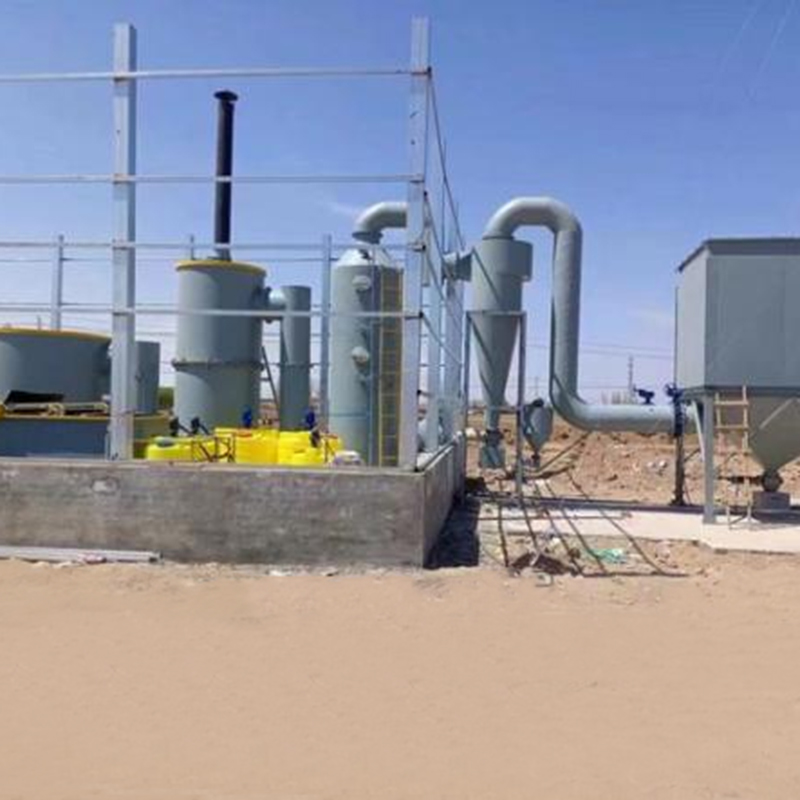
Aperçu Les fours d'incinération des déchets solides sont des équipements essentiels dans la gestion des déchets solides, conçus po...
Voir les détails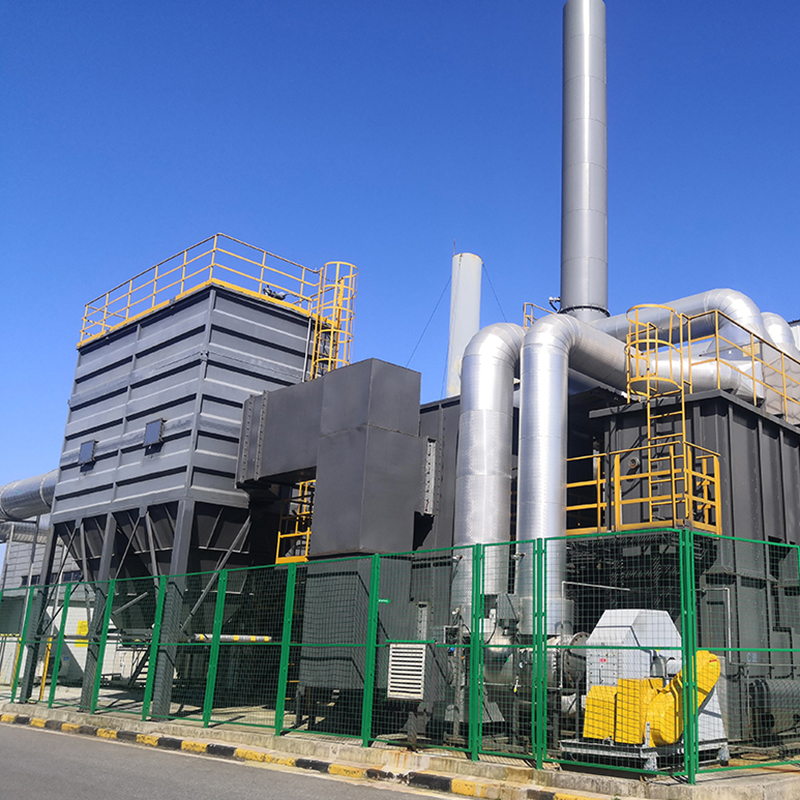
Concept de système RTO à roue zéolite En utilisant la roue de zéolite pour adsorber les gaz déchets organiques, la faible concentration et ...
Voir les détails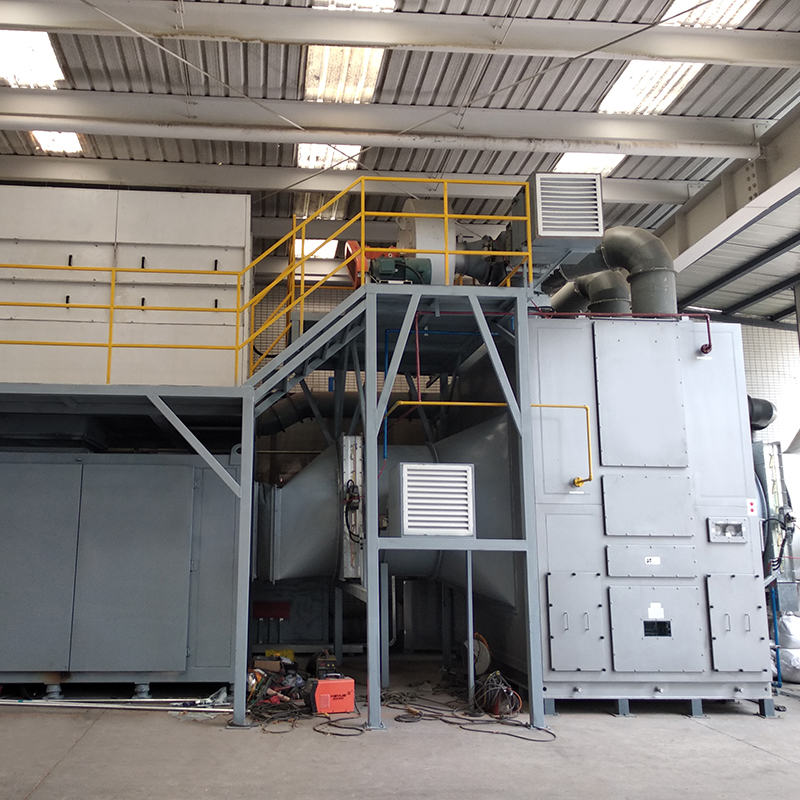
Le concept de l'ensemble complet d'équipement Le but de l'utilisation de l'adsorption de zéolite du tambour rotatif pou...
Voir les détails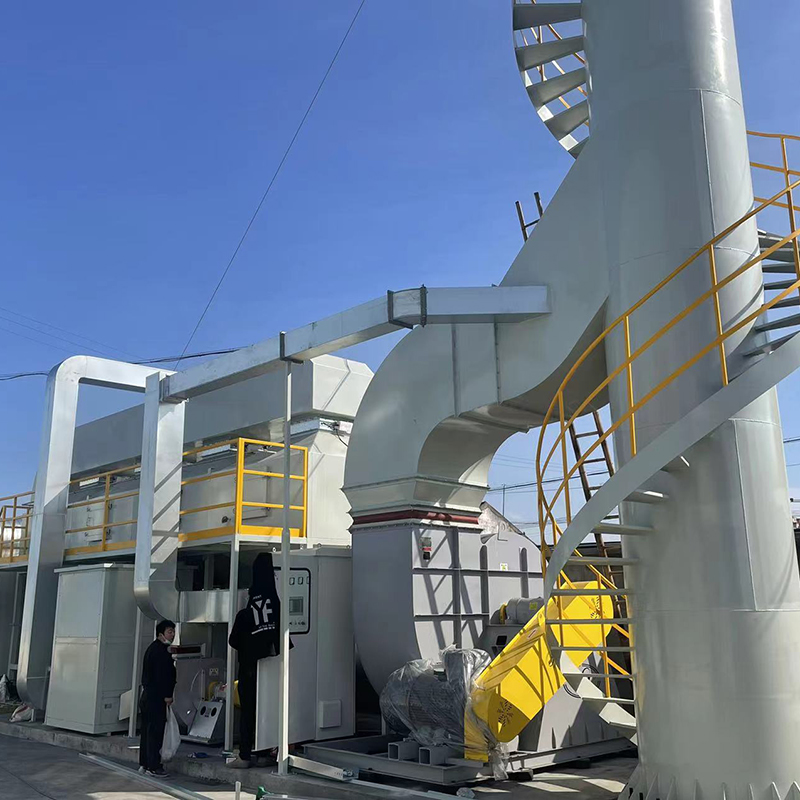
L'équipement de purification catalytique de l'adsorption voc-cft-co L'équipement de purification catalytique de l'adsor...
Voir les détails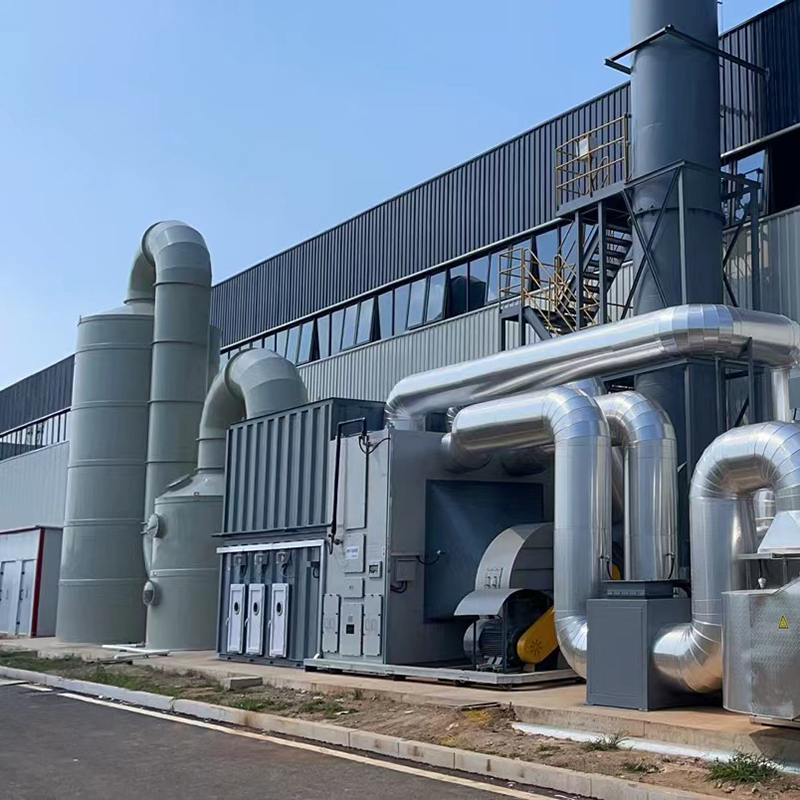
Concept de combustion catalytique zéolite à lit fixe comme un ensemble d'équipement Le dispositif de combustion catalytique de zéolite...
Voir les détails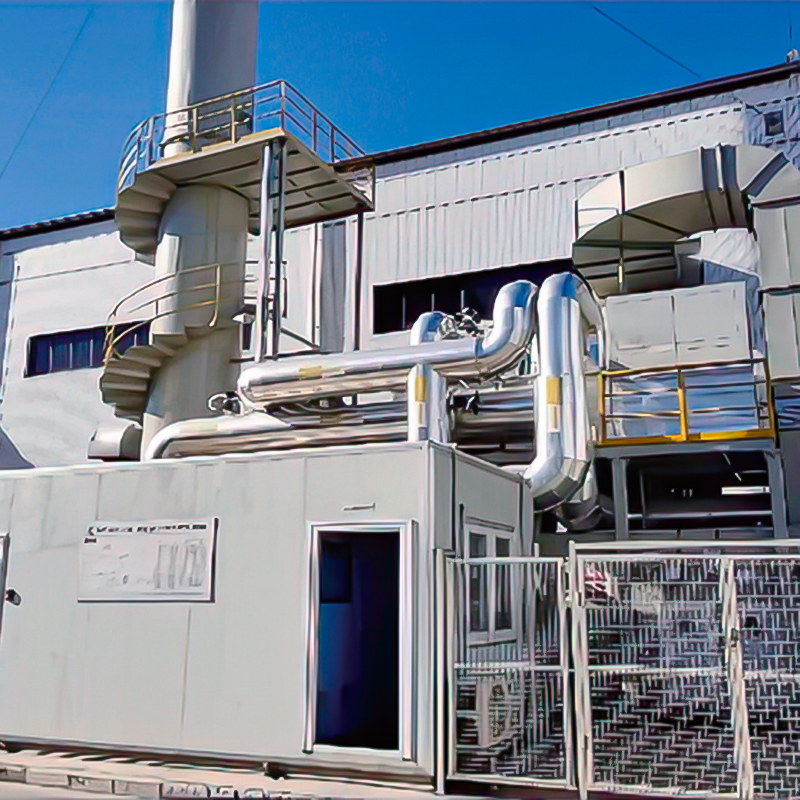
Concept de combustion catalytique de roue rotative zéolite comme ensemble d'équipement Dans le processus combiné de traitement des gaz...
Voir les détails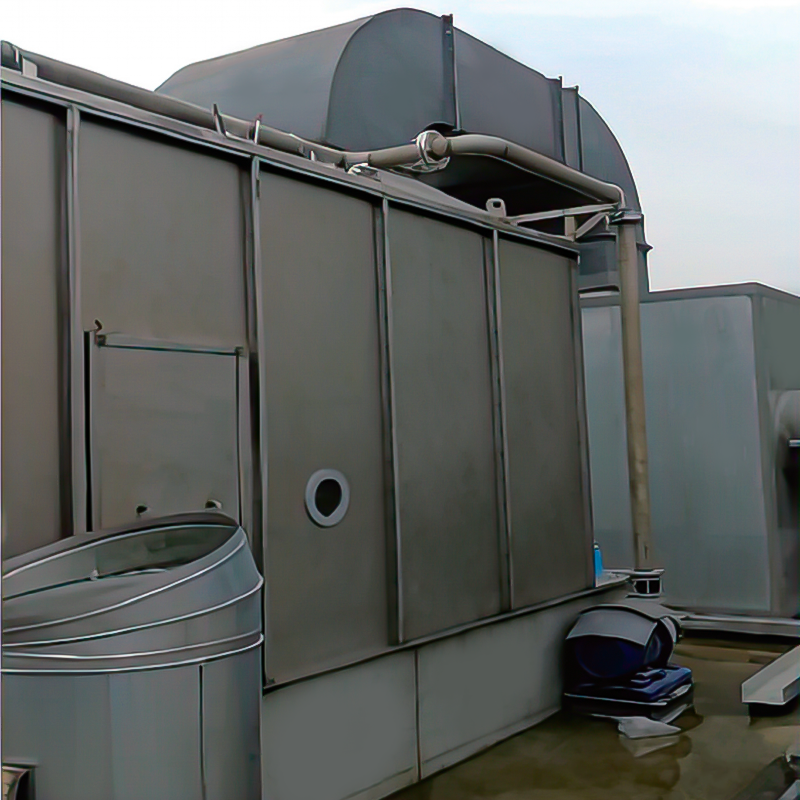
Aperçu Le principe d'élimination de la poussière humide utilise le processus de capture et de séparation des particules de poussière d...
Voir les détailsMOBILE
Mode d'emploi

Droits d'auteur © LV Quan Environmental Protection Engineering Technology Co., Ltd.
