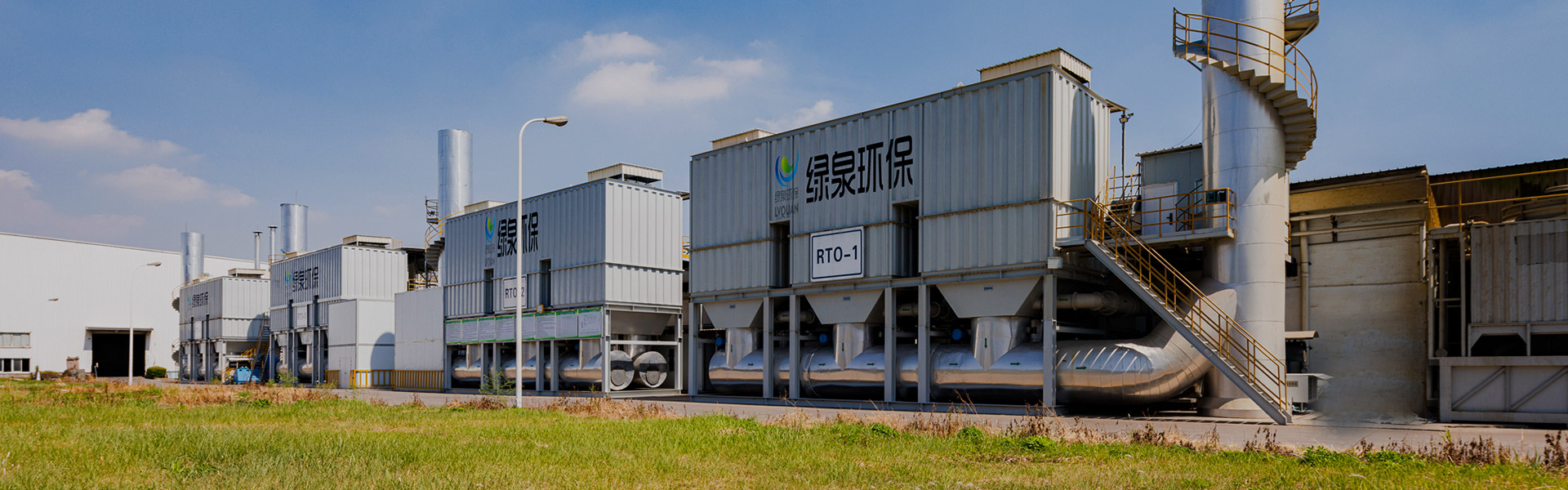
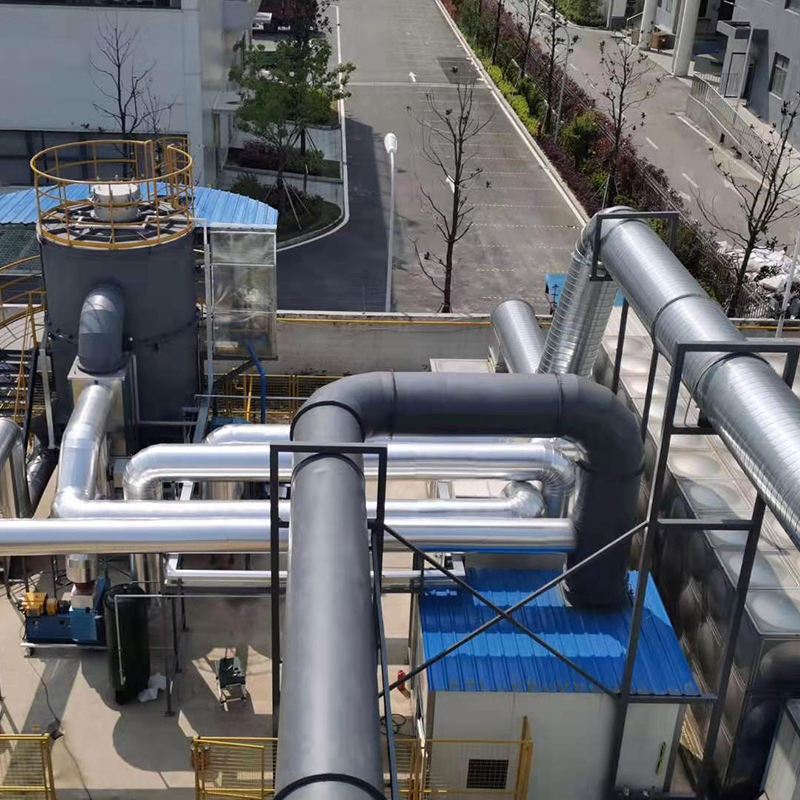
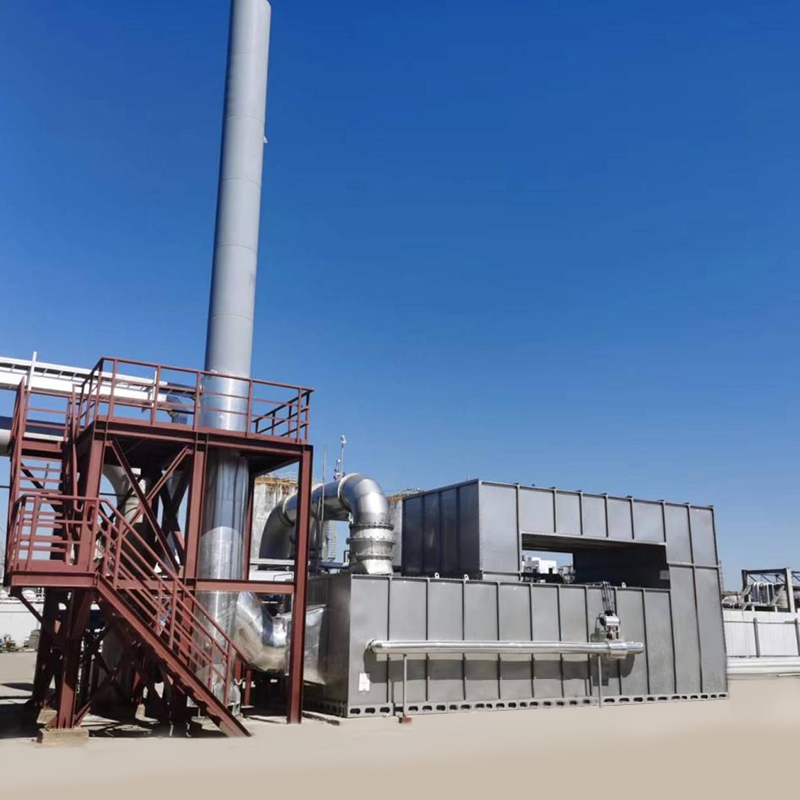
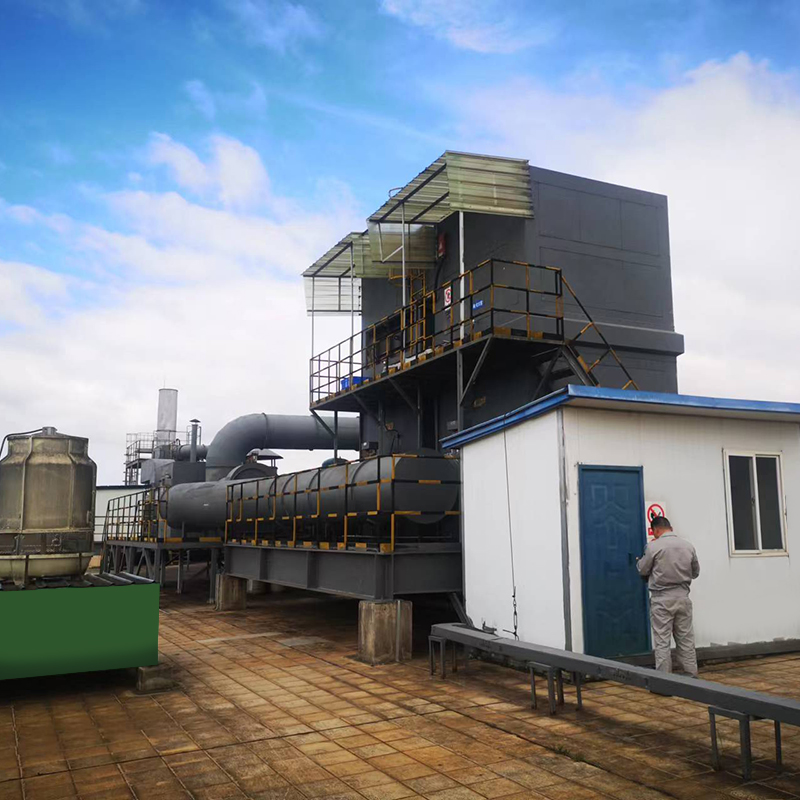
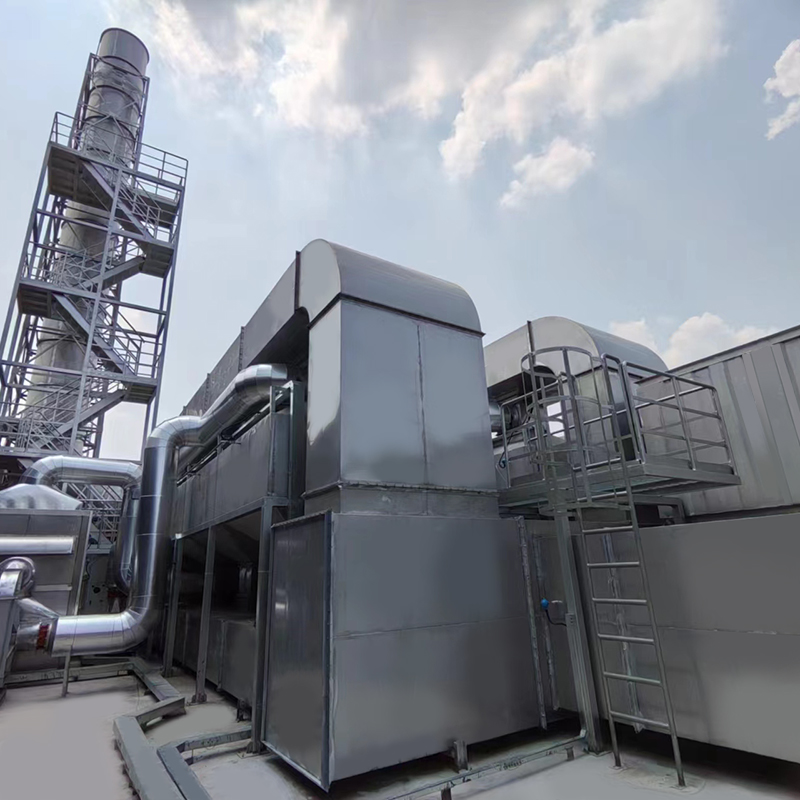
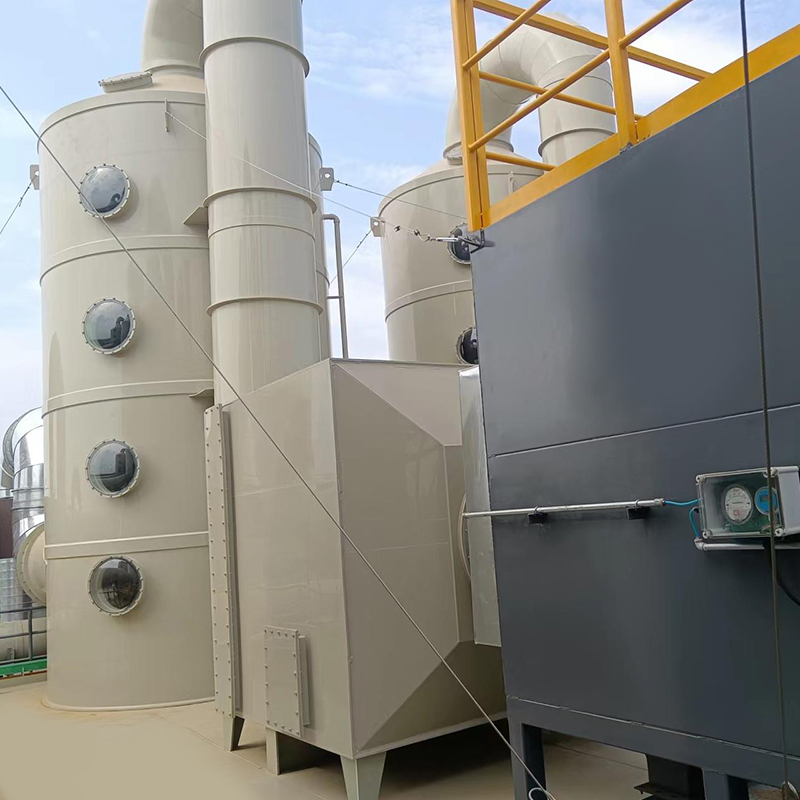
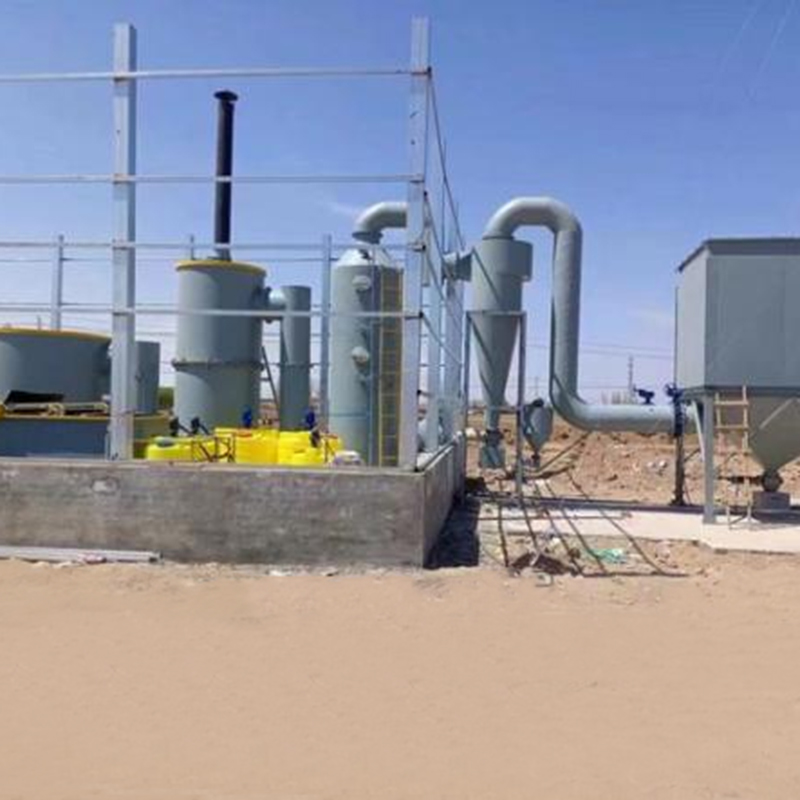
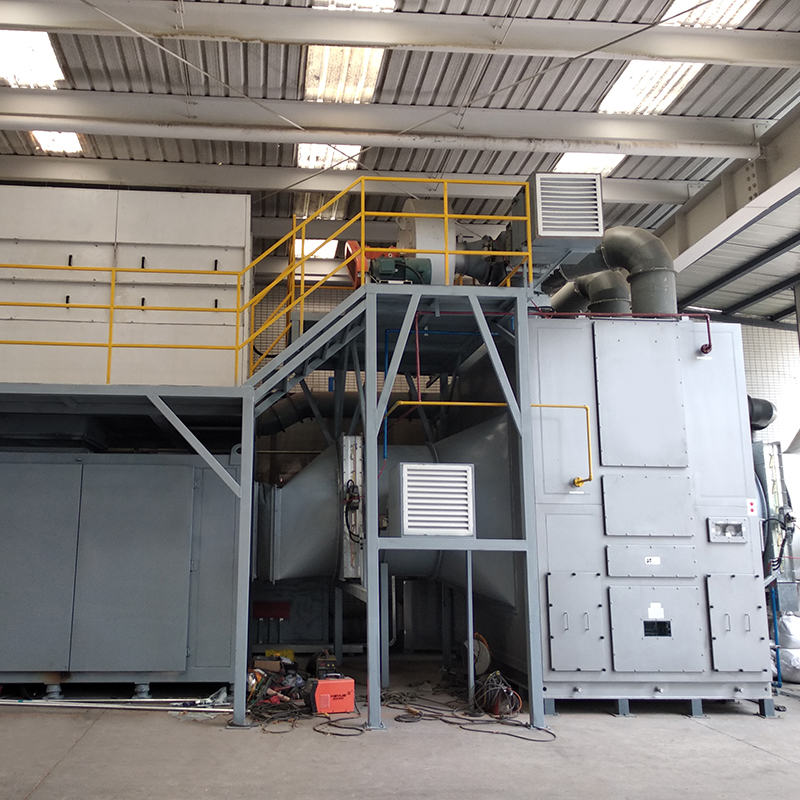
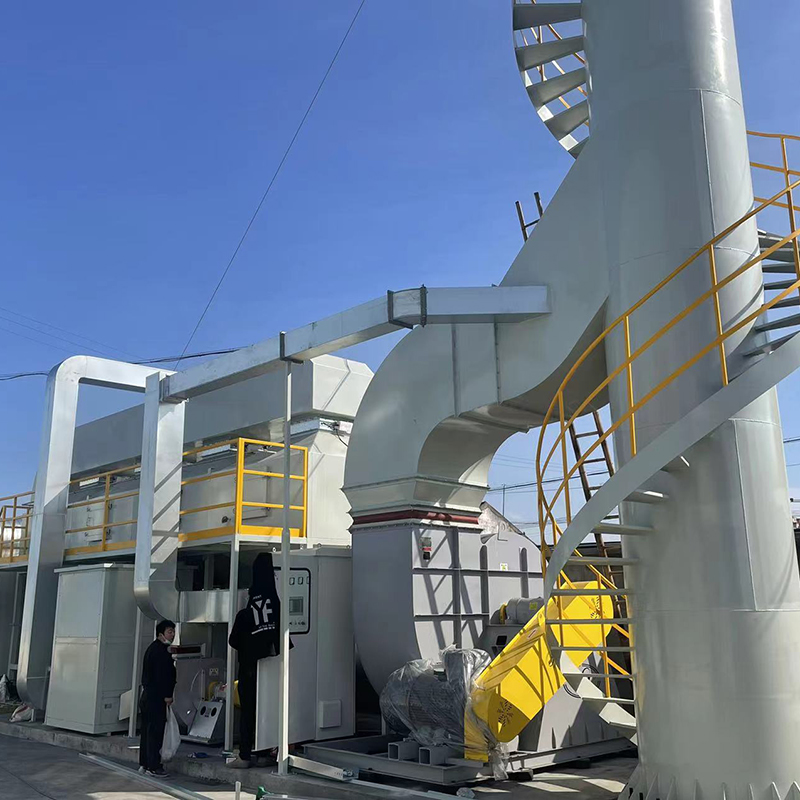
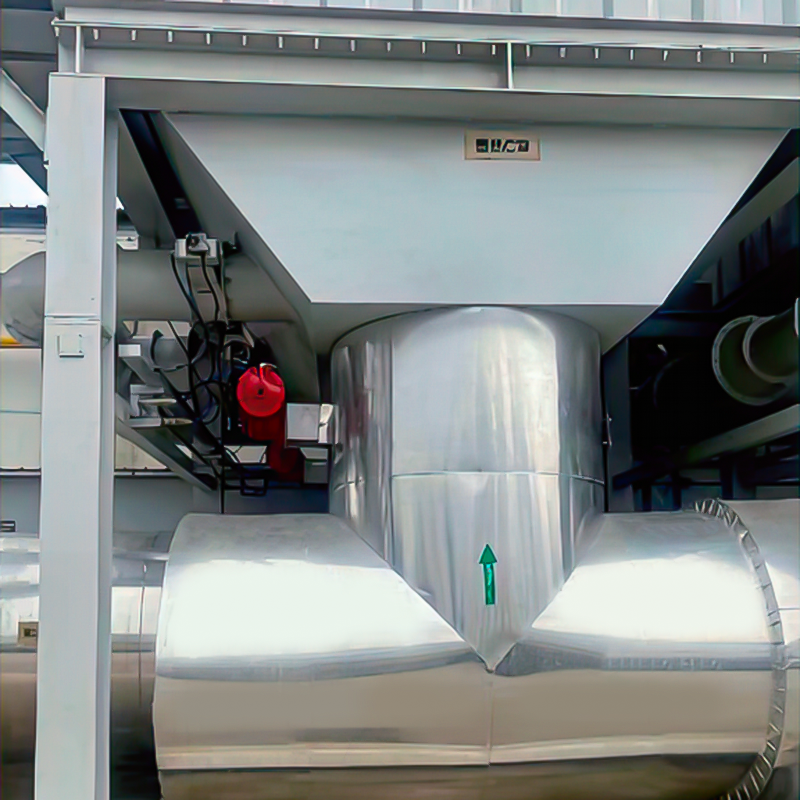
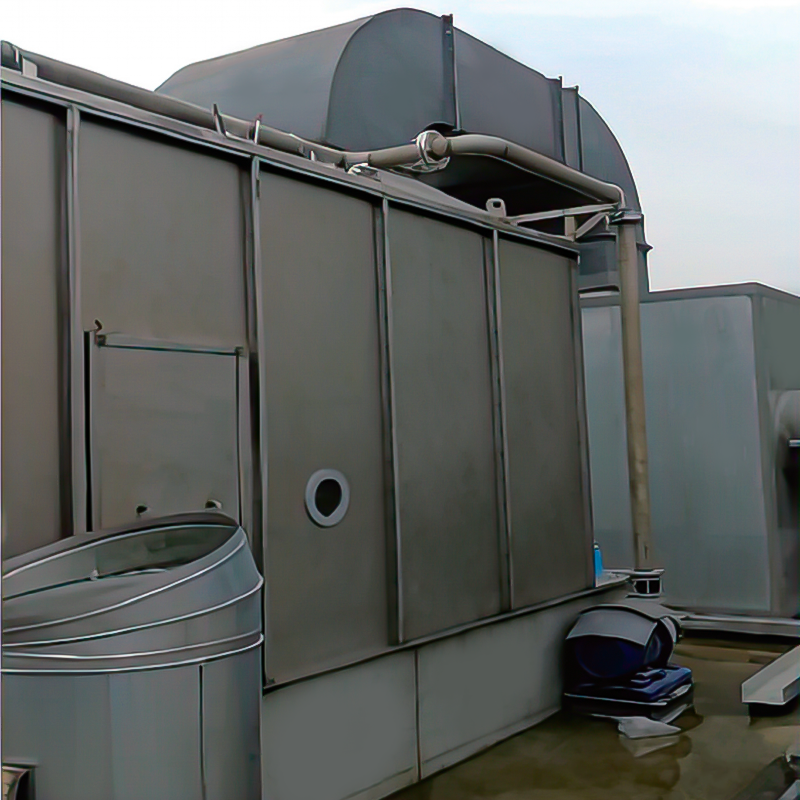
La principale défense contre les risques d'incendie et d'explosion consiste à maintenir les concentrations de COV inférieures à 25 % de la limite inférieure d'explosivité (LIE) et à installer des systèmes de suppression automatique. Les équipements techniques de traitement des gaz résiduaires organiques COV fonctionnent avec des composés hautement inflammables, ce qui rend la conception de sécurité intrinsèque non négociable.
Mécanismes de sécurité critiques
Les systèmes de traitement modernes utilisent plusieurs couches de protection. Les moniteurs LIE doivent déclencher des alarmes à une concentration de 25 % et arrêter automatiquement les systèmes à 50 % LIE. Les oxydants thermiques nécessitent des pare-flammes sur la tuyauterie d'entrée et des panneaux anti-explosion évalués pour une surpression de 0,5 à 1,0 barg.
Exigences de prévention des incendies par technologie de traitement | Technologie | Limite LIE | Dispositif de sécurité requis |
| Oxydant thermique régénératif (RTO) | 25 % LIE | Registre de dérivation du pare-flammes |
| Oxydant catalytique | 20 % LIE | Protection anti-poison à verrouillage de température |
| Adsorption sur charbon actif | 30 % LIE | Détection des points chauds de purge à l'azote |
| Récupération des condensations | Aucune limite | Électrique antidéflagrant (Classe I Div 1) |
Protocoles opérationnels
Les cycles de purge avant le démarrage doivent échanger 4 à 6 volumes de récipient avec de l'air frais. Les permis de travail à chaud sont obligatoires lorsque les concentrations de COV dépassent 10 % LIE dans les zones environnantes. La résistance statique de mise à la terre doit rester inférieure à 10 ohms pour tous les équipements conducteurs.
- Installer surveillance continue des gaz aux points d'entrée, de chambre de combustion et d'échappement
- Entretenir dégagement minimum de 3 mètres provenant de sources d’inflammation pour les systèmes à lit de carbone
- Conduite inspection trimestrielle des éléments pare-flammes pour déceler tout encrassement ou tout dommage
Causes profondes de la faible efficacité de la collecte des COV
Une mauvaise efficacité de capture provient généralement de vitesses insuffisantes à la face de la hotte inférieures à 0,5 m/s et d'ouvertures de processus non scellées permettant des émissions fugitives. Les évaluations industrielles révèlent que 60 à 80 % des systèmes sous-performants souffrent de défaillances de base dans la gestion du flux d’air plutôt que de défauts d’équipement.
Lacunes de conception et d’installation
Les hottes de capture doivent maintenir Vitesse frontale de 0,5 à 1,0 m/s pour réservoirs à surface ouverte et 0,25-0,5 m/s pour les processus fermés. Des vitesses de conduit inférieures à 10 m/s provoquent une perte de particules ; au-dessus de 15 m/s créent une perte de pression excessive. Les coudes à 90 degrés sans aubes tournantes réduisent l'efficacité de 15 à 20 %.
Facteurs courants de perte d’efficacité et impact | Problème | Impact typique | Méthode de détection |
| Hotte trop éloignée de la source (>1,5× diamètre de la hotte) | 40 à 60 % de perte | Visualisation du tube de fumée |
| Fuite de conduit (5% de la surface) | 15-25% de perte | Tests de chute de pression |
| Systèmes multibranches déséquilibrés | 20-35% de perte | Mesure de la traversée de Pitot |
| Dégradation de la vitesse du ventilateur (réduction de 10 %) | 19 % de perte de débit | Tirage d'ampli d'analyse de vibration |
Défis spécifiques au processus
Les opérations de revêtement à base de solvants génèrent pics d'émission 3 à 5 fois la charge moyenne , des collecteurs à vitesse constante écrasants. Les entraînements à fréquence variable (VFD) avec retour de transducteur de pression maintiennent une capture optimale pendant les fluctuations de charge. Les systèmes de convoyeurs fermés affichent des taux de capture de 85 à 95 %, contre 40 à 60 % pour les réservoirs ouverts.
Durée de vie attendue de l’équipement
Un équipement de traitement des COV bien entretenu offre généralement 8 à 15 ans de service, les oxydants thermiques atteignant 15 à 20 ans et les systèmes d'adsorption de carbone nécessitant le remplacement du support tous les 3 à 5 ans. La durée de vie réelle dépend fortement de la résistance à la corrosion, de la fréquence des cycles thermiques et de la rigueur de la maintenance préventive.
Durabilité au niveau des composants
Les supports d'échange thermique en céramique dans les RTO résistent 10-15 ans avant que la dégradation par choc thermique ne réduise l’efficacité en dessous de 85 %. Les tubes de brûleur en acier inoxydable dans les comburants à feu direct durent 8-12 ans en fonction de la teneur en chlorure dans les flux de traitement. Les lits catalytiques pour COV halogénés se dégradent 40 % plus rapidement que ceux manipulant des cétones ou des alcools.
Durée de vie par composant d'équipement | Composant | Standard Vie | Mode de défaillance |
| Supports céramiques RTO | 10-15 ans | Fissuration thermique, colmatage |
| Catalyseur (Métal Précieux) | 5-8 ans | Empoisonnement, frittage |
| Charbon actif | 3-5 ans | Saturation des pores, attrition |
| Brûleurs à combustion | 8-12 ans | Corrosion, érosion des buses |
| Ventilateurs d'extraction | 10-15 ans | Usure des roulements, corrosion de la roue |
Stratégies de prolongation de la vie
Mise en œuvre inspections annuelles par imagerie thermique identifie les points chauds réfractaires avant la défaillance structurelle. Tamponnage du pH des flux d'entrée en dessous de 6,0 ou au-dessus de 8,0 prolonge la durée de vie des conduits en acier au carbone de 3 à 4 ans. Systèmes fonctionnant avec pré-filtres éliminant 95% des particules obtenir une durée de vie du catalyseur 30 % plus longue.
Considérations sur la conception technique
Un dimensionnement approprié nécessite une capacité excédentaire de 20 à 30 % par rapport au débit de conception maximal pour permettre l'expansion de la production sans compromettre l'efficacité du traitement. Les systèmes sous-dimensionnés fonctionnant à 100 % de leur capacité ne peuvent pas gérer la charge des filtres ou l'encrassement des conduits qui se produisent naturellement au fil du temps.
Critères de sélection des matériaux
Demande de COV halogénés (chlorure de méthylène, perchloroéthylène) Construction en acier inoxydable 316L ou Hastelloy C pour empêcher la corrosion sous contrainte de chlorure. L'acier au carbone se dégrade 10 fois plus vite dans ces environnements. Pour les flux chargés en cétone, les composants en aluminium sont interdits en raison de la formation potentielle de peroxyde.
- Tolérance de température : Sélectionnez des joints et des joints évalués à 50 °C au-dessus de la température de fonctionnement maximale
- Compatibilité chimique : Vérifier la résistance des élastomères à des mélanges de solvants spécifiques
- Dilatation thermique : Accepte une expansion de 3 à 5 mm/m dans les conduits à haute température
Questions techniques fréquemment posées
Quelle surveillance est requise pour la conformité ?
Systèmes de surveillance continue des paramètres (CPMS) doit suivre la température de la chambre de combustion (précision de ±5°C), le temps de rétention et l’efficacité de destruction. Contrôles d'étalonnage hebdomadaires et les audits trimestriels de tests d'exactitude relative (RATA) sont obligatoires en vertu des normes MACT.
Les oxydants thermiques régénératifs atteignent Efficacité thermique de 95 à 97 % grâce à la récupération de chaleur en céramique. Les roues de concentrateur avec support zéolitique réduisent les flux de grand volume et à faible concentration en 10:1 à 20:1 avant l'oxydation, réduisant ainsi la consommation de carburant de 60 à 80 %.
Qu’est-ce qui cause la désactivation du catalyseur ?
Le phosphore, le soufre et les métaux lourds empoisonnent les catalyseurs de métaux précieux à des concentrations aussi faibles que 1 ppm. Les silicones forment des dépôts de silice qui bloquent les sites actifs. Pré-filtration à 0,3 microns et les lits de protection au charbon actif prolongent la durée de vie du catalyseur de 2 à 3 ans.
Quand l’adsorption du carbone est-elle préférée à l’oxydation ?
Le charbon actif reste rentable pour applications de récupération de solvants où les adsorbats ont une valeur de revente (> 2 $/kg) et des concentrations d'entrée inférieures à 1 000 ppm. La régénération de la vapeur coûte entre 0,08 et 0,12 $ par livre de carbone contre 0,15 à 0,25 $ pour les coûts du combustible d'oxydation thermique.
Les cycles de purge doivent réaliser 3 fois les changements d'air avant d’introduire des flux chargés en COV. Les RTO utilisent brûleurs à combustible supplémentaires pour atteindre la consigne de 760°C en 30 minutes. Les registres de dérivation détournent les gaz non nettoyés uniquement en cas de perturbations, et non lors d'un démarrage normal.


 English
 русский
 Français
 Español
 عربى
عربى