

 English
 русский
 Français
 Español
 عربى
عربى
Équipement de combustion catalytique LQ-Co
Équipement
Aperçu La combustion catalytique est une méthode de purification qui utilise des catalyseurs pour oxyder et décomposer les substances combu...
Voir les détails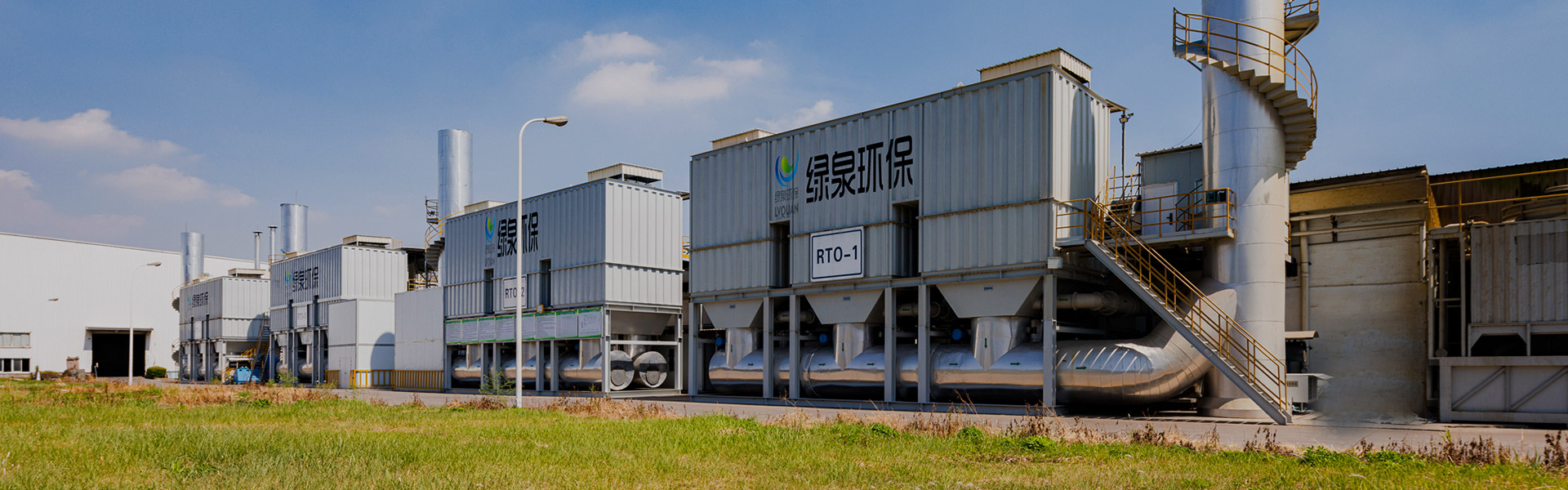
Content
A cabine de pulvérisation horizontale est conçu pour nettoyage et traitement de surface automatisés à grand volume de pièces industrielles . Sa fonction principale est d'utiliser des buses de pulvérisation orientées horizontalement pour éliminer les contaminants tels que l'huile, les copeaux, la poussière et les résidus chimiques des pièces. Comparé aux systèmes de pulvérisation verticale, il excelle dans le traitement de composants longs, plats ou de forme irrégulière avec jusqu'à 40 % d'uniformité de nettoyage améliorée sur des surfaces horizontales.
En bref, si votre objectif est d'obtenir un nettoyage cohérent et reproductible sans effort manuel, une armoire de pulvérisation horizontale est la solution la plus efficace pour le traitement en ligne ou par lots.
La disposition horizontale des buses dirige les jets sous plusieurs angles (généralement Décalages de 0°, 15° et 30° ). Cela garantit que les surfaces supérieure et inférieure reçoivent un impact fluide égal. Par exemple, dans la fabrication de pièces automobiles, une cabine de pulvérisation horizontale enlève la pâte à roder des blocs moteurs avec 99,2 % d'efficacité , contre seulement 85 % avec la pulvérisation manuelle.
Étant donné que les pièces sont posées à plat ou transportées horizontalement, le temps de chargement/déchargement est réduit jusqu'à 60% par rapport aux armoires verticales. Une armoire de pulvérisation horizontale standard peut traiter un panier complet de pièces (jusqu'à 200 kg ) dans 3 à 5 minutes , y compris les cycles de lavage, de rinçage et de séchage. Cela le rend idéal pour les lignes de production juste à temps.
La plupart des cabines de pulvérisation horizontales industrielles intègrent un système de filtration en trois étapes (tamis à mailles, séparateur cyclone et filtre à cartouche). Cela permet de réutiliser les solutions de nettoyage pour 200 à 300 heures d'exploitation, réduisant les coûts de fluides d'une moyenne de 45% annuellement.
Les modèles avancés combinent un lavage par pulvérisation avec une étape de séchage à l'air chaud ( 70°C – 90°C flux d'air) et un brouillard antirouille. Après un cycle de séchage de 5 minutes, les niveaux d'humidité sur les pièces en acier chutent en dessous 0,1% , empêchant la rouille instantanée pendant au moins 48 heures dans des conditions ambiantes.
| Caractéristique | Armoire de pulvérisation horizontale | Armoire de pulvérisation verticale | Cabine de pulvérisation manuelle |
|---|---|---|---|
| Uniformité du nettoyage (surfaces planes) | 98% | 72% | 65% |
| Temps de cycle (lot typique) | 4 minutes | 8 minutes | 12 minutes |
| Consommation de liquide par cycle | 8 à 12 litres | 18 à 25 litres | 30 litres |
Idéal pour : blocs moteurs, culasses, panneaux métalliques emboutis, boîtiers électroniques, arbres usinés jusqu'à 1,5 m de longueur et moules d'injection plastique . Évitez les pièces délicates comportant des trous borgnes profonds qui emprisonnent le liquide.
Oui, lorsqu'il est combiné avec des solutions aqueuses chauffées ( 50°C – 85°C ) et un additif saponifiant. Par exemple, une cabine de pulvérisation horizontale enlève Couches de graisse de 3 mm d'épaisseur des carters de boîte de vitesses en moins de 6 minutes – une tâche qui prend 25 minutes manuellement.
Avec un Pré-filtre de 100 microns , le colmatage des buses se produit après environ 400 heures de fonctionnement . L'entretien standard comprend un Inspection des buses en 8 minutes et nettoyage toutes les deux semaines pour les armoires à usage quotidien.
Les unités modernes équipées de pompes à fréquence variable consomment uniquement 4,5 à 7,5 kW par heure de pulvérisation active. Comparés aux nettoyeurs à ultrasons de capacité similaire, ils utilisent 35% d'énergie en moins par pièce nettoyée car il n'y a pas de besoin de chauffage pour la cavitation.
Le respect de ces directives double généralement la durée de vie des buses de pulvérisation et réduit les temps d'arrêt imprévus de 70% .
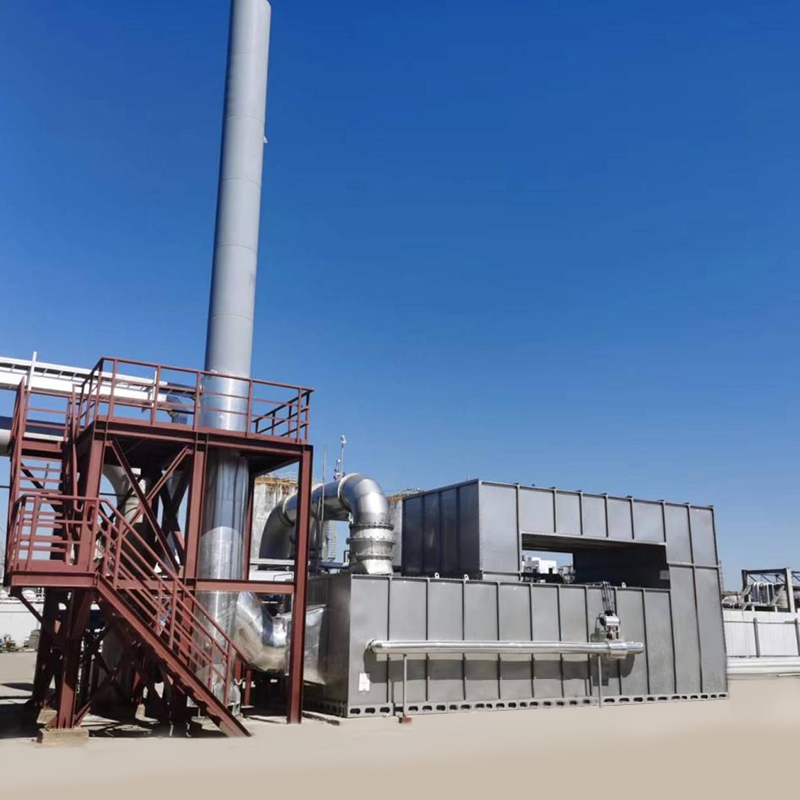
Aperçu La combustion catalytique est une méthode de purification qui utilise des catalyseurs pour oxyder et décomposer les substances combu...
Voir les détails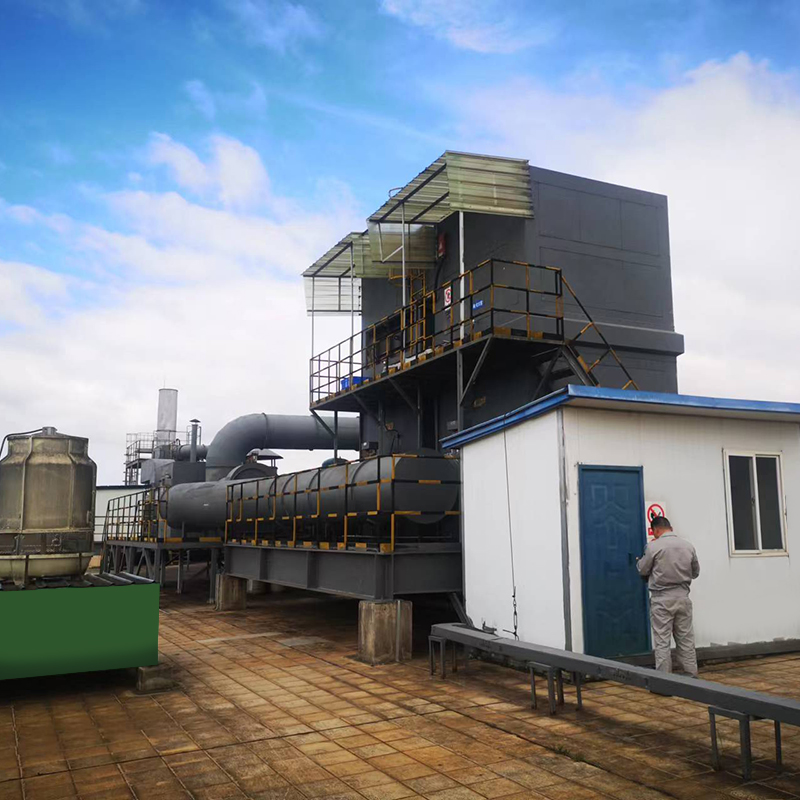
Aperçu Le stockage thermique oxydation catalytique (oxydant catalytique régénératif / RCO) est un équipement de traitement des gaz déchets ...
Voir les détails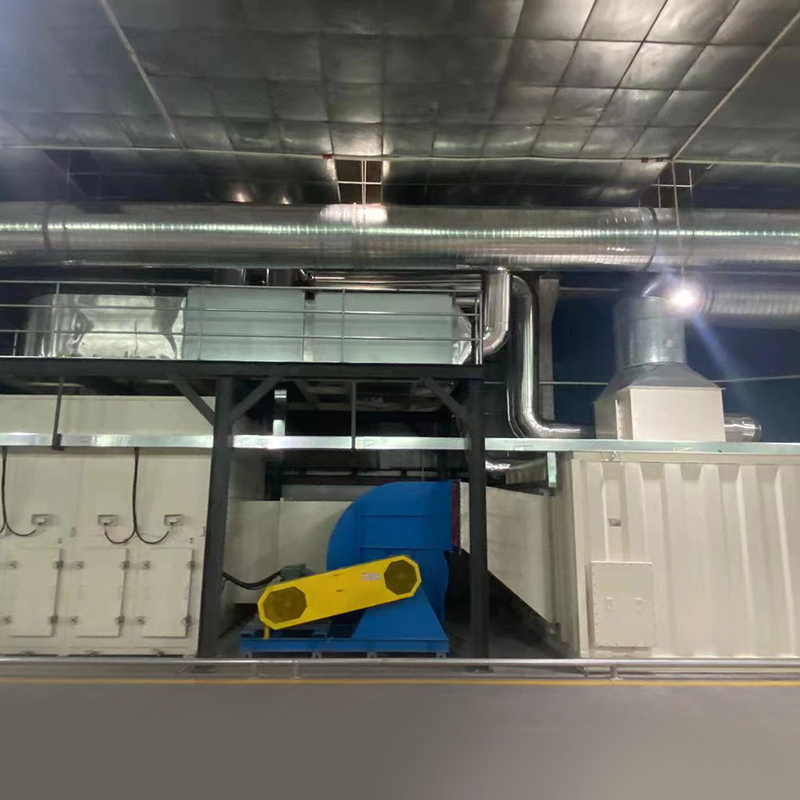
Présentation de la plaque tournante de zéolite à la fréquence variable La plaque tournante de la concentration en zéolite de notre entrepri...
Voir les détails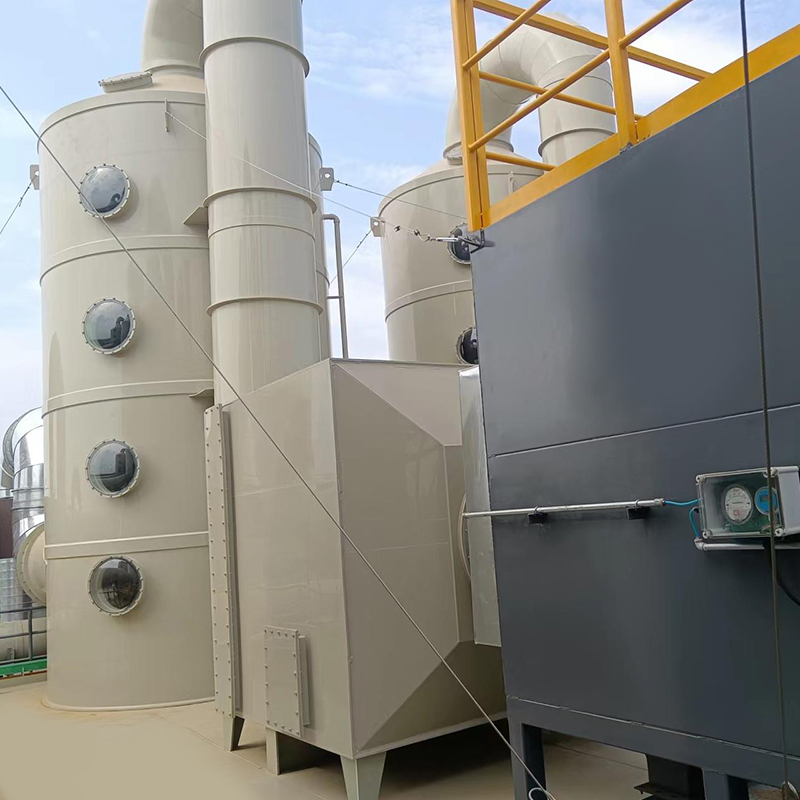
Aperçu L'équipement de purification et de récupération du carbone de particules de gaz organique VOC-ACA est utilisée pour l'abso...
Voir les détails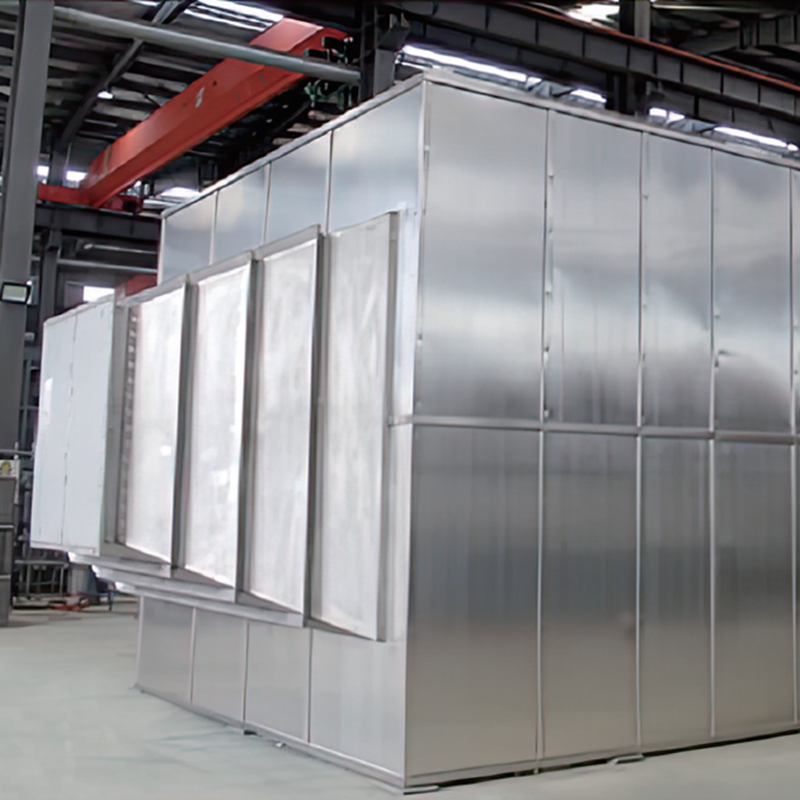
Introduction du produit L'échangeur de chaleur à gaz est principalement utilisé pour les industries d'économie d'énergie et ...
Voir les détails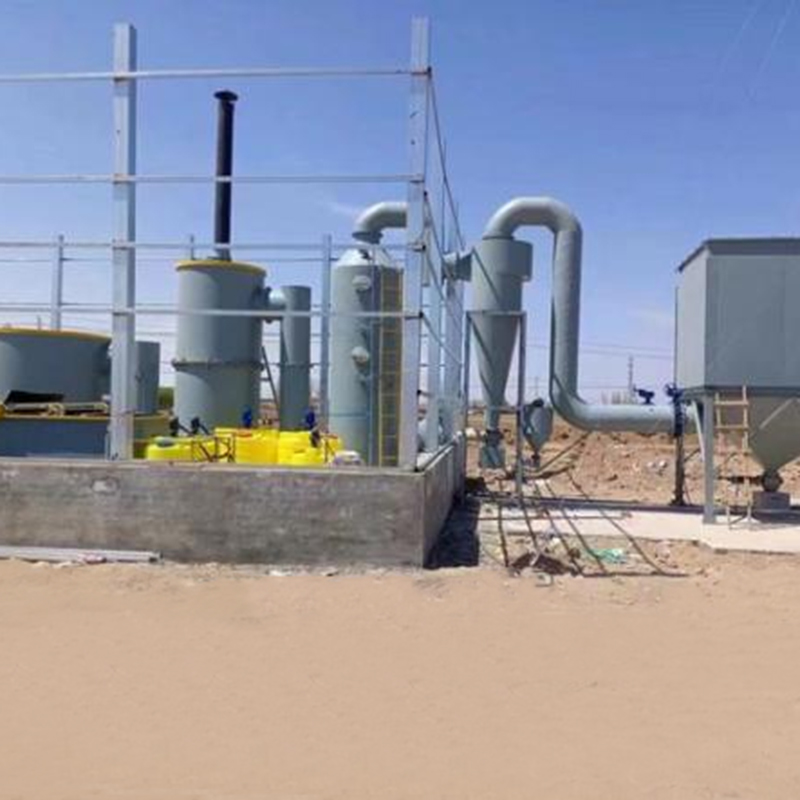
Aperçu Les fours d'incinération des déchets solides sont des équipements essentiels dans la gestion des déchets solides, conçus po...
Voir les détails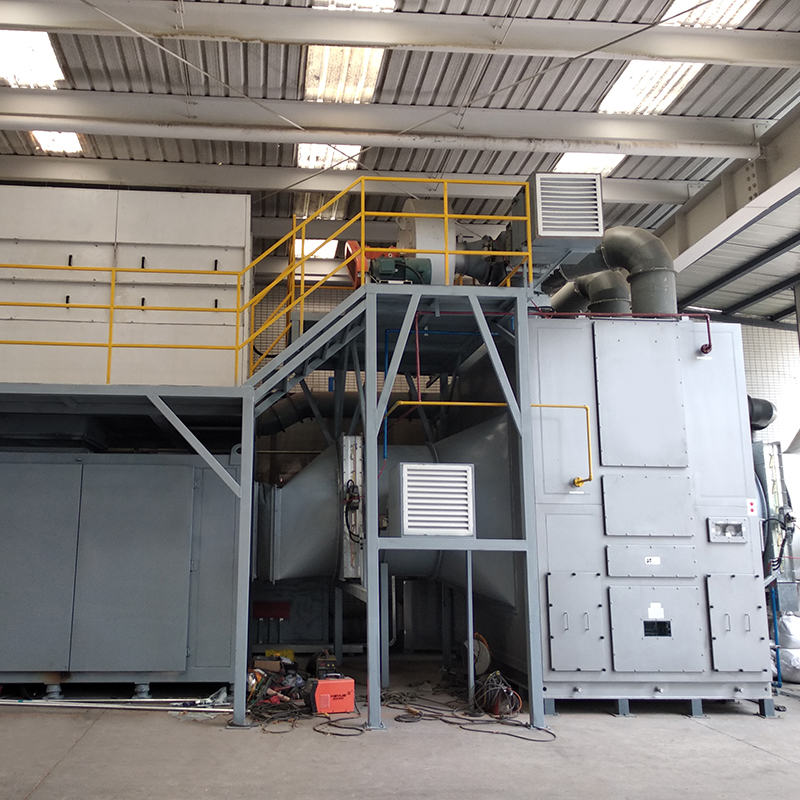
Le concept de l'ensemble complet d'équipement Le but de l'utilisation de l'adsorption de zéolite du tambour rotatif pou...
Voir les détails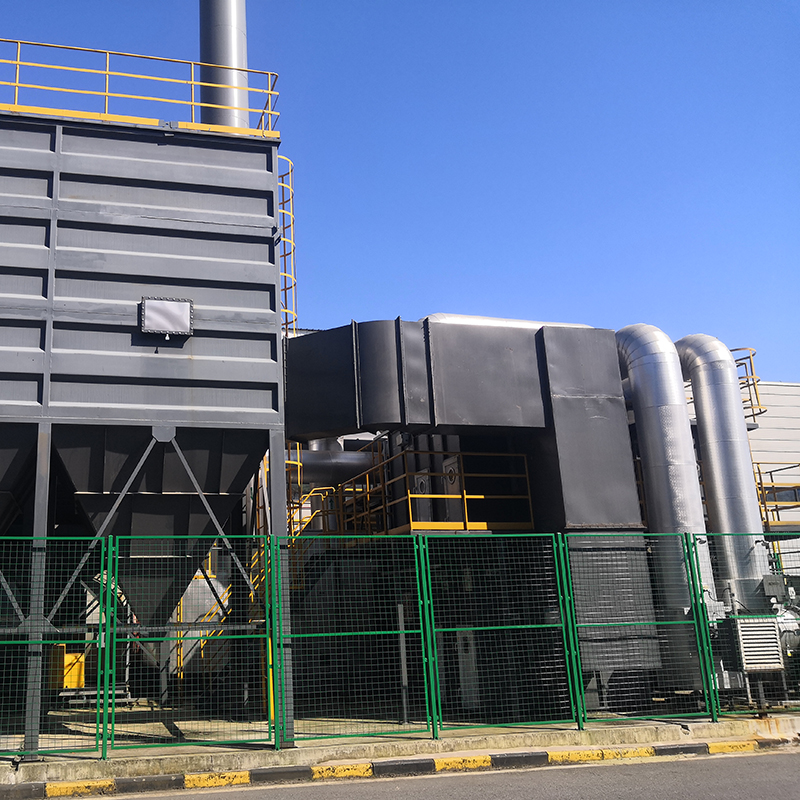
Le concept d'équipement d'incinération à haute température combustion à roue zéolite à haute température Le but de l'utilisa...
Voir les détails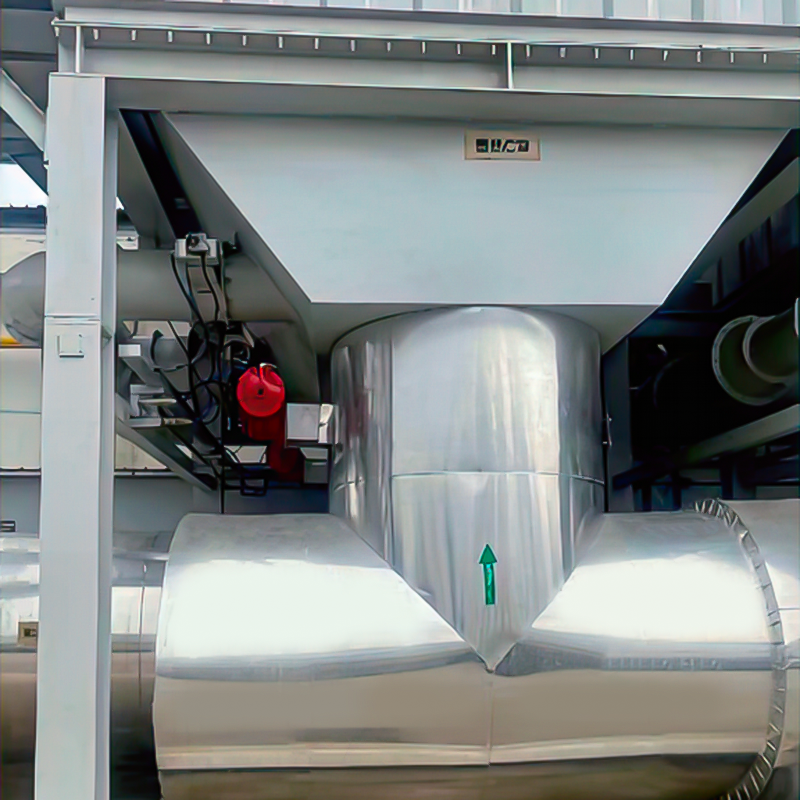
But Principalement utilisé pour la ventilation proportionnelle des gaz de combustion à haute température. Le LT est largement utilisé dans ...
Voir les détails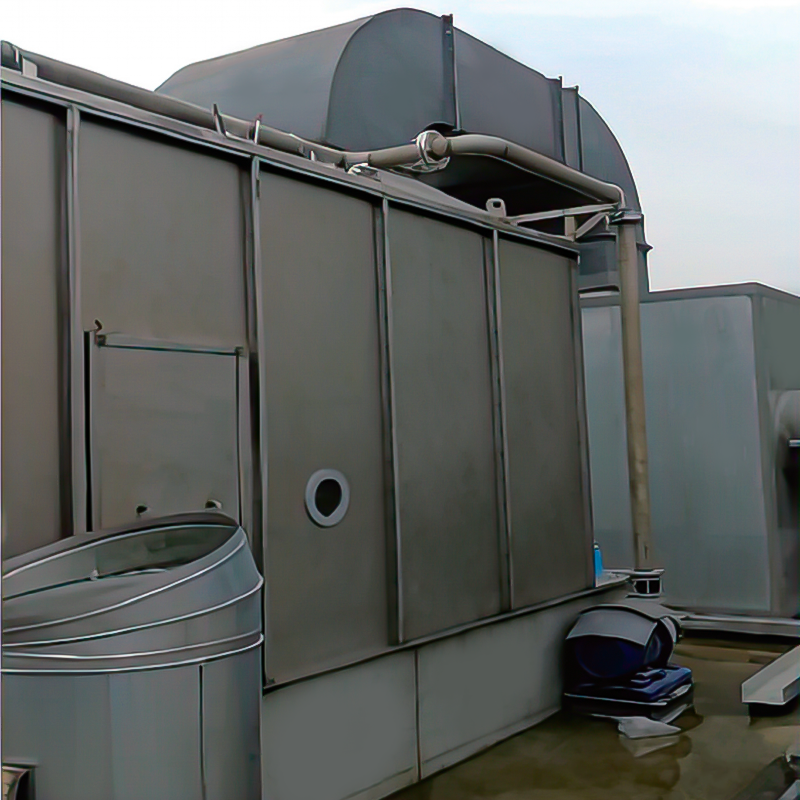
Aperçu Le principe d'élimination de la poussière humide utilise le processus de capture et de séparation des particules de poussière d...
Voir les détailsMOBILE
Mode d'emploi

Droits d'auteur © LV Quan Environmental Protection Engineering Technology Co., Ltd.
